

Reflections on 2025: Strengthening Roots, Expanding Impact


 (no comments)
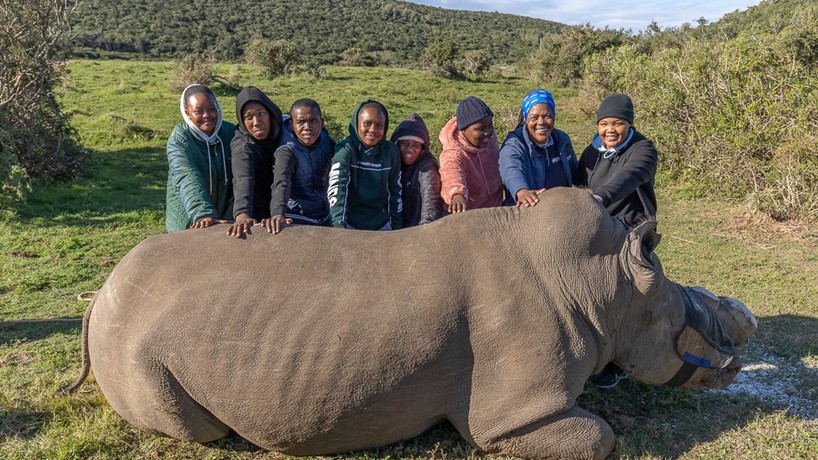
As we reflect on 2025, we do so with deep gratitude and a renewed sense of purpose. This past year was one of steady progress, where conservation science, community commitment, and long-term thinking came together to create real, measurable impact. Across conservation, education, youth development, welfare, and technology, the Kariega Foundation continued to demonstrate that lasting change happens when people and nature are supported together.
Community: A Cradle to Career Philosophy
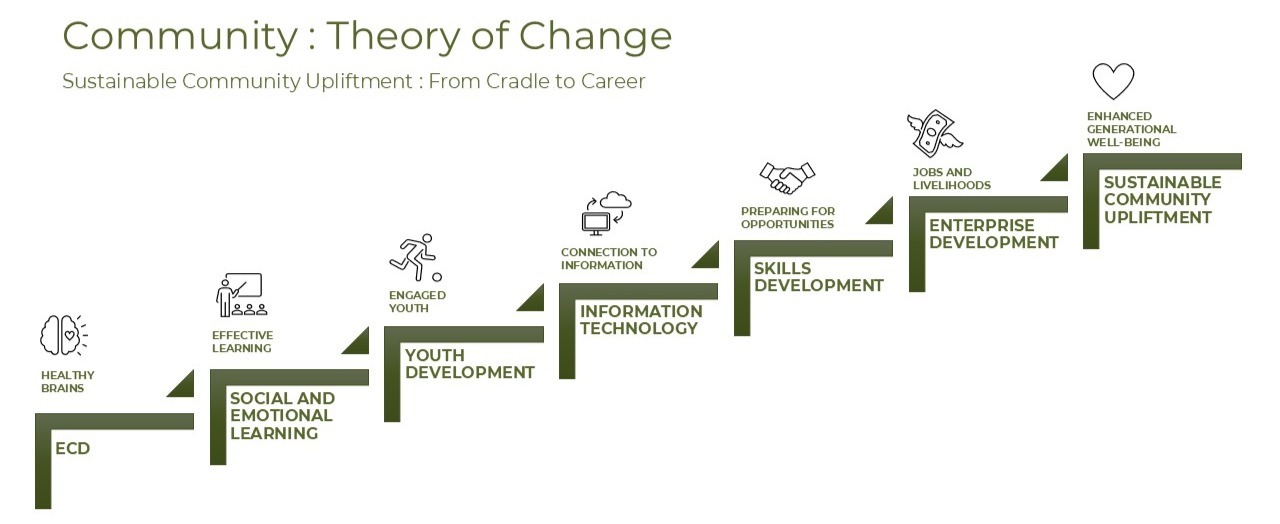
At the Kariega Foundation, conservation begins with people. Our Cradle to Career philosophy is rooted in a simple belief: when children are supported from their earliest years and given real pathways into opportunity, entire communities, and the landscapes around them can thrive. From nurturing young minds in Early Childhood Development centres, to building confidence through Social and Emotional Learning, sport, and digital skills, and creating accredited pathways into guiding, conservation, and employment, each step is intentionally connected. We walk alongside young people as they grow, not just supporting moments, but shaping futures. Because when opportunity grows locally, conservation becomes more than protection. It becomes pride, purpose, and possibility for generations to come.
Stregthening Landscapes and Ecosystems
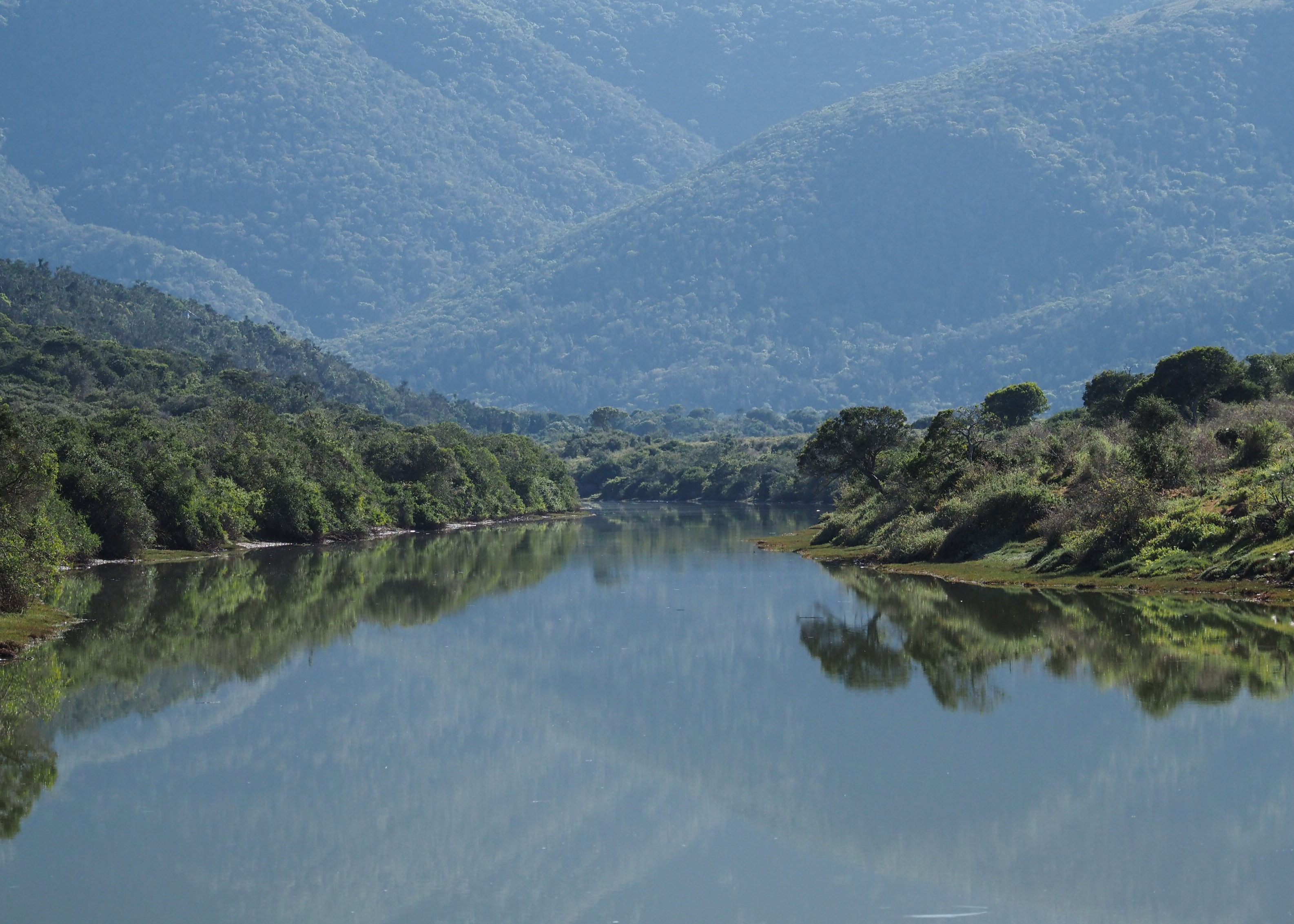
In 2025, the Kariega Game Reserve expanded the protected area by 278 hectares, bringing the total conserved landscape to 12 000 hectares. This expansion strengthened ecological connectivity and supported 13 distinct vegetation types, improving long-term habitat resilience. Habitat restoration remained a major focus. Through coordinated alien invasive plant control, over 300 hectares were actively treated across 40 priority sites, targeting species such as lantana, black wattle, acacia, pine, and prickly pear. These efforts directly improved water availability, soil stability, and biodiversity recovery.
Science-Led Species Conservation
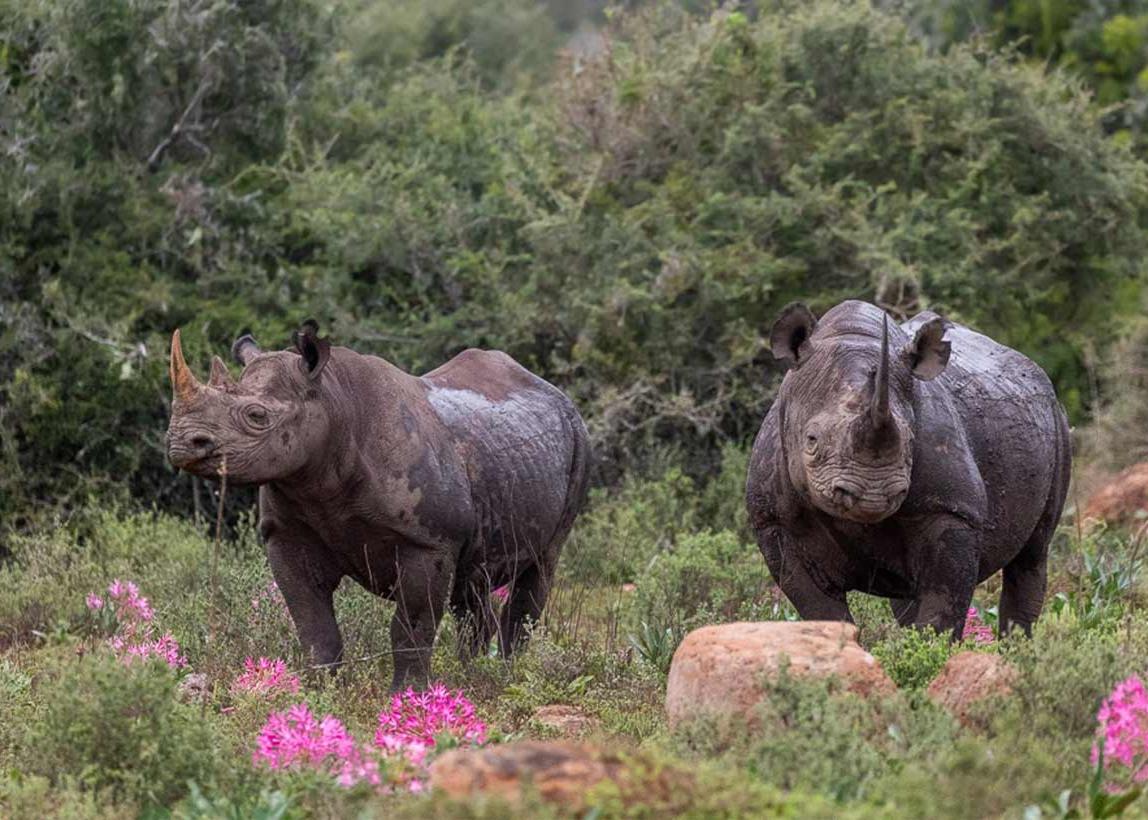
Species monitoring and management remained adaptive and data-driven. Across the reserve, 85 protected species were monitored, including 5 critically endangered and 8 endangered species. Advanced conservation technology enabled the monitoring of over 40 priority animals, including white and black rhino, lion, cheetah, and elephant. In parallel, our camera traps recorded more than 2,200 wildlife detections, capturing valuable behavioural and movement data that informs long-term management decisions. Technology integration continued to evolve, with drones, LoRaWAN tracking, and environmental monitoring systems supporting faster response times, improved safety, and more efficient conservation planning.
Volunteers: Hands-On Impact
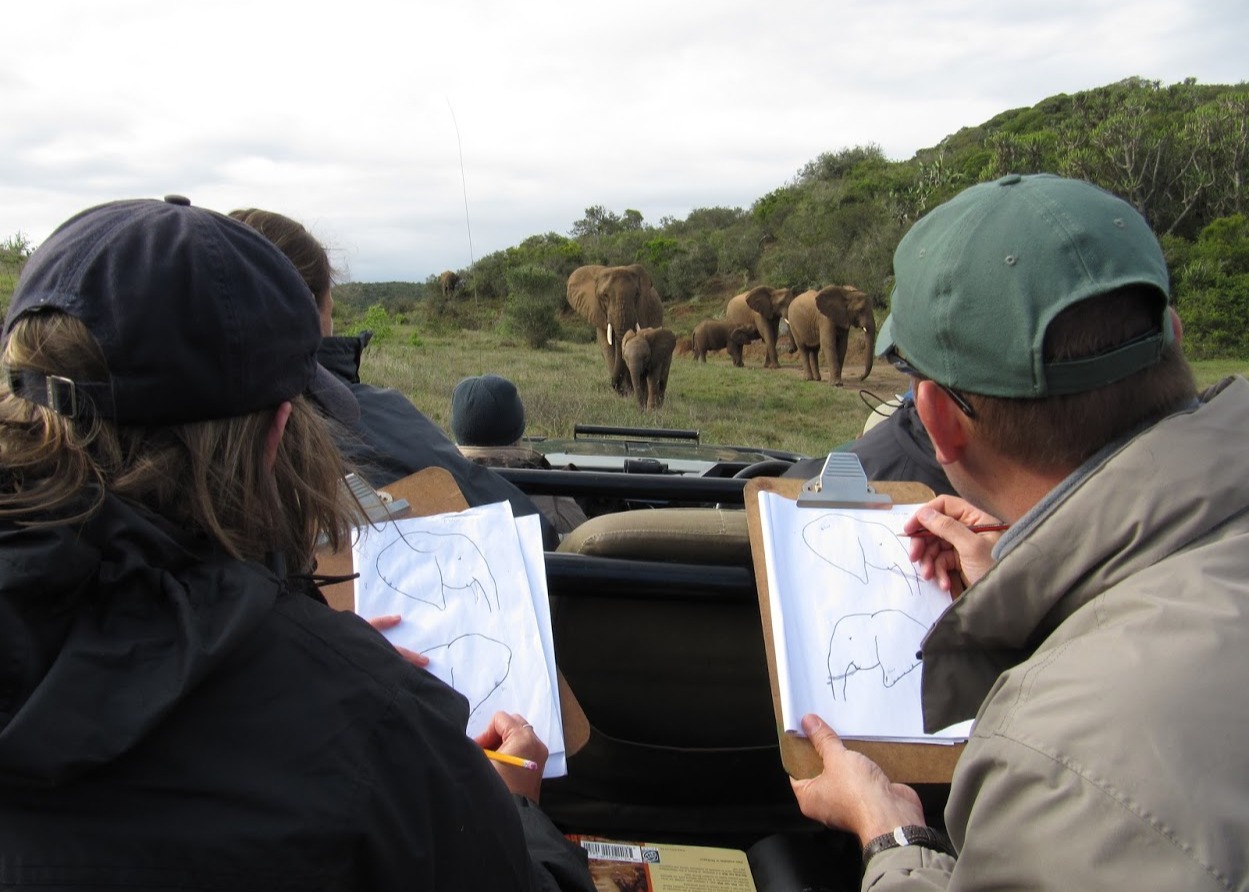
Volunteers played a vital role on the reserve and in our communities. 111 volunteers from 18 countries contributed their time and skills, supporting both conservation and community initiatives. Together, volunteers logged, submitted 149 EarthRanger reports, cleared 4.7 km of reserve roads, and assisted with alien plant control across 16.29 hectares. Volunteer-supported research also resulted in 27 elephant identification records updated, strengthening individual tracking and long-term research accuracy. Beyond the data, volunteers became ambassadors, carrying Kariega’s conservation message far beyond the reserve.
Education: Building Foundations for the Future
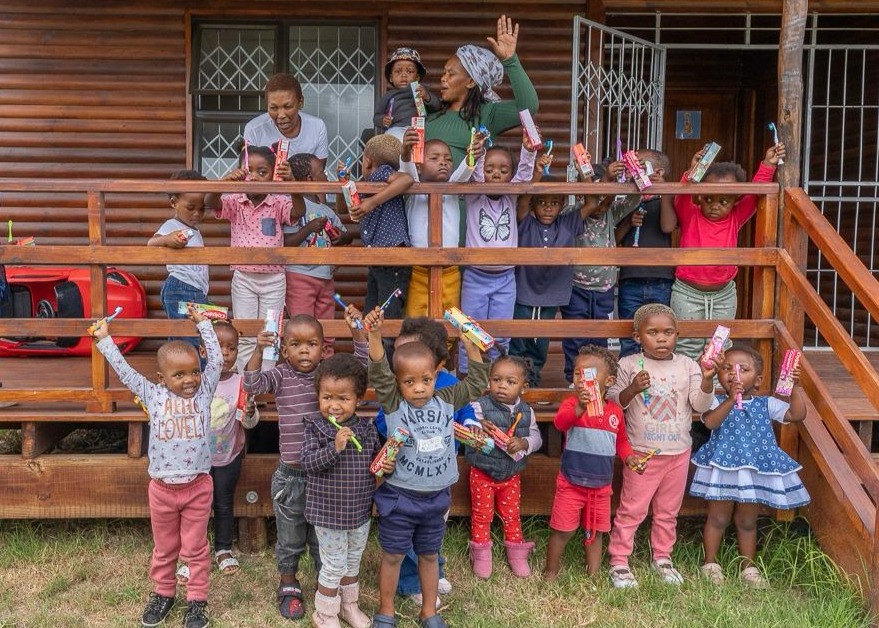
Education remained central to our community work. 1100 children were supported through Early Childhood Development (ECD), Social and Emotional Learning (SEL), and library computer hub programmes.
Early Childhood Development
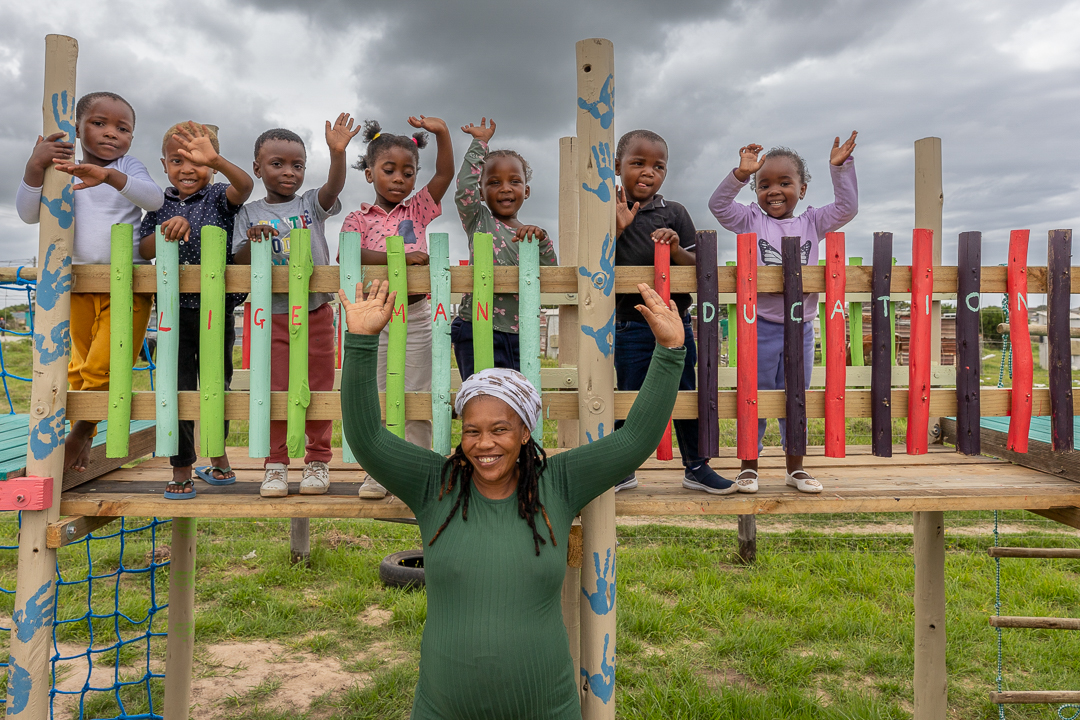
Seventeen ECD centres benefited from infrastructure upgrades, creative learning spaces, educator support, and nutritional support. Twelve ECDs received jungle-gyms. The equipment provides not only physical development benefits but also supports social interaction, coordination, and emotional well-being.
Library Computer Hubs
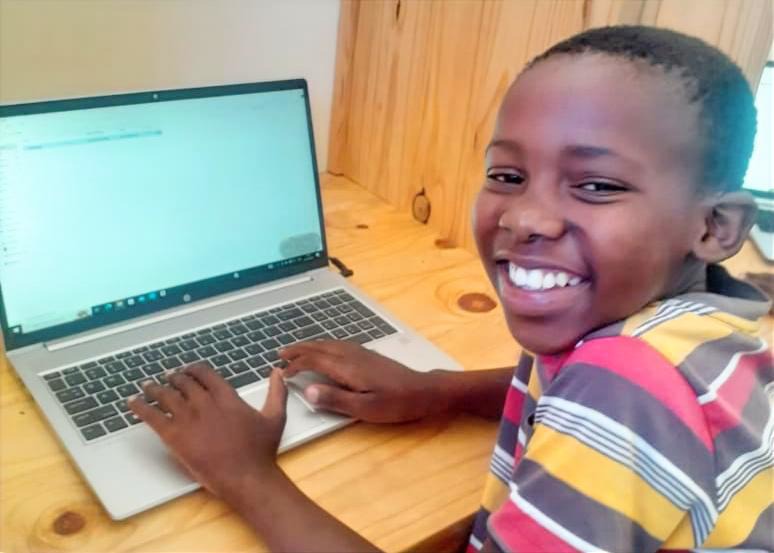
Library Computer Hubs, in Ekuphumleni and Marselle provided critical access to digital learning for surrounding communities. Together, the hubs offered 32 computers, supported by two dedicated IT facilitators, and delivered structured digital literacy programmes aligned with the school curriculum. On average, the hubs supported over 90 school-based learning sessions per month, reaching more than 240 learners, alongside regular community access sessions. Learners used the hubs to complete schoolwork, develop computer literacy skills, and participate in coding and robotics activities. The hubs also supported pathways beyond school, enabling over 80 youth to apply for the Umuzi IT Learnership, with two learners successfully selected. In communities where access to technology remains limited, the computer hubs continue to serve as essential gateways to education, skills development, and future opportunity
Coding and Robotics Clubs
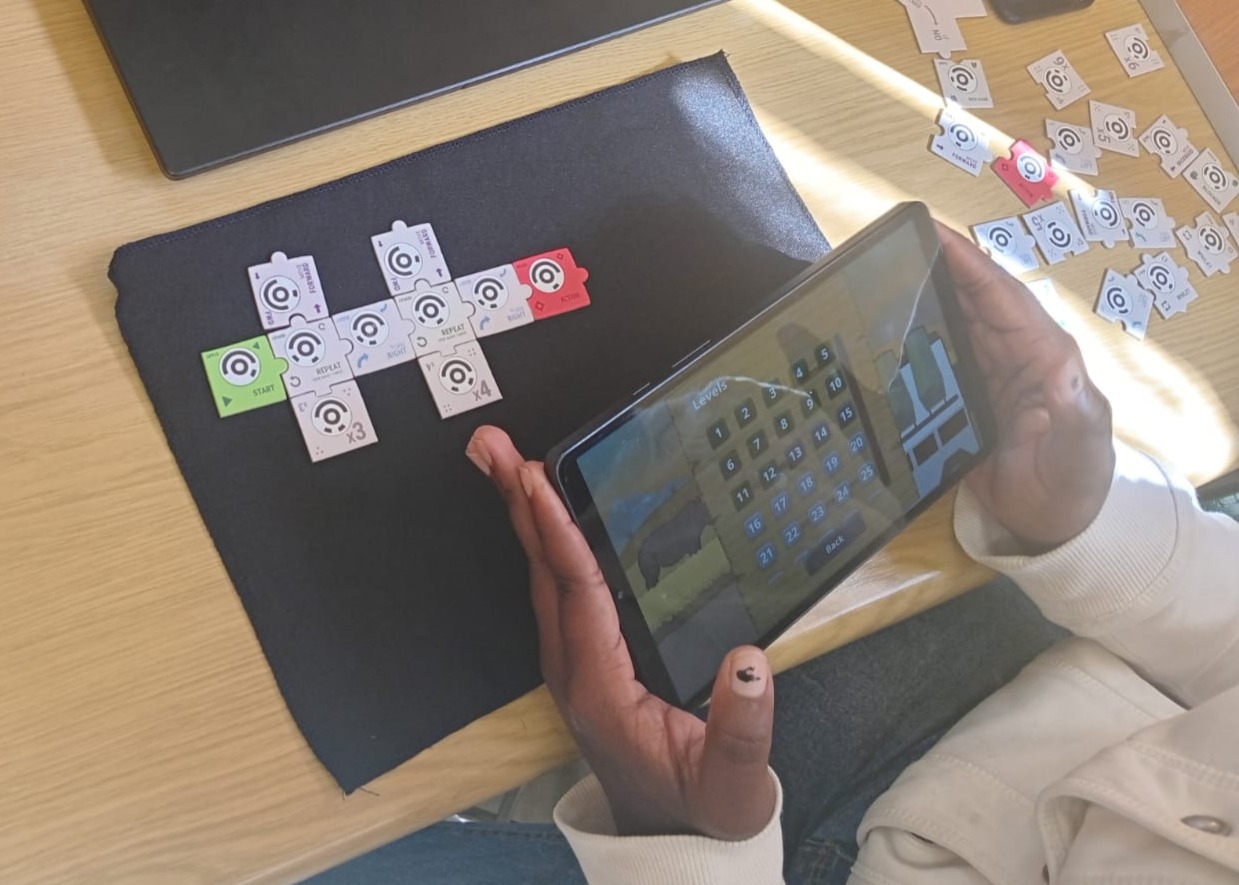
Coding and Robotics Clubs continued to introduce young people to digital problem-solving, creativity, and logical thinking. Across 9 active clubs in Ekuphumleni and Marselle, 50 youth participated in structured coding and robotics activities, supported by nine trained facilitators. From March to December, the clubs delivered an average of 82 sessions, using platforms such as Scratch, Tinkercad, Arduino, and tangible coding tools to build foundational coding skills. The year also marked a milestone with the Foundation’s first Coding Club Competition, engaging 40 learners and reinforcing confidence, teamwork, and practical application of digital skills. These clubs form a critical bridge between basic digital literacy and future opportunities in technology and innovation.
Social and Emotional Learning
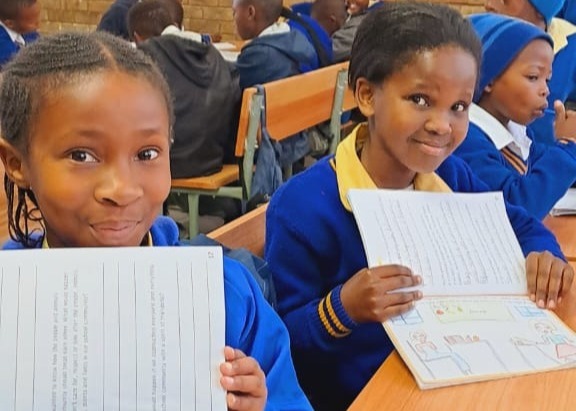
Education at Kariega Foundation is not just about curriculum, it is about nurturing resilience, curiosity, and opportunity. Social and Emotional Learning (SEL) remained a cornerstone of the Kariega Foundation’s Education Programme. Throughout the year, 894 learners across two primary schools participated in structured SEL lessons designed to build emotional literacy, self-awareness, resilience, and positive relationship skills. Delivered by six trained Youth Development Practitioners, the programme ran consistently with 46 SEL sessions per week, complemented by 22 weekly physical education sessions to support holistic development.
Spanning Grades 1 to 7, SEL was fully integrated into school timetables, with teachers and parents reporting noticeable improvements in learner behaviour, emotional regulation, classroom engagement, and readiness to learn. By equipping children with essential life skills at an early age, the SEL programme continues to strengthen individual wellbeing and long-term community resilience.
Environmental Education
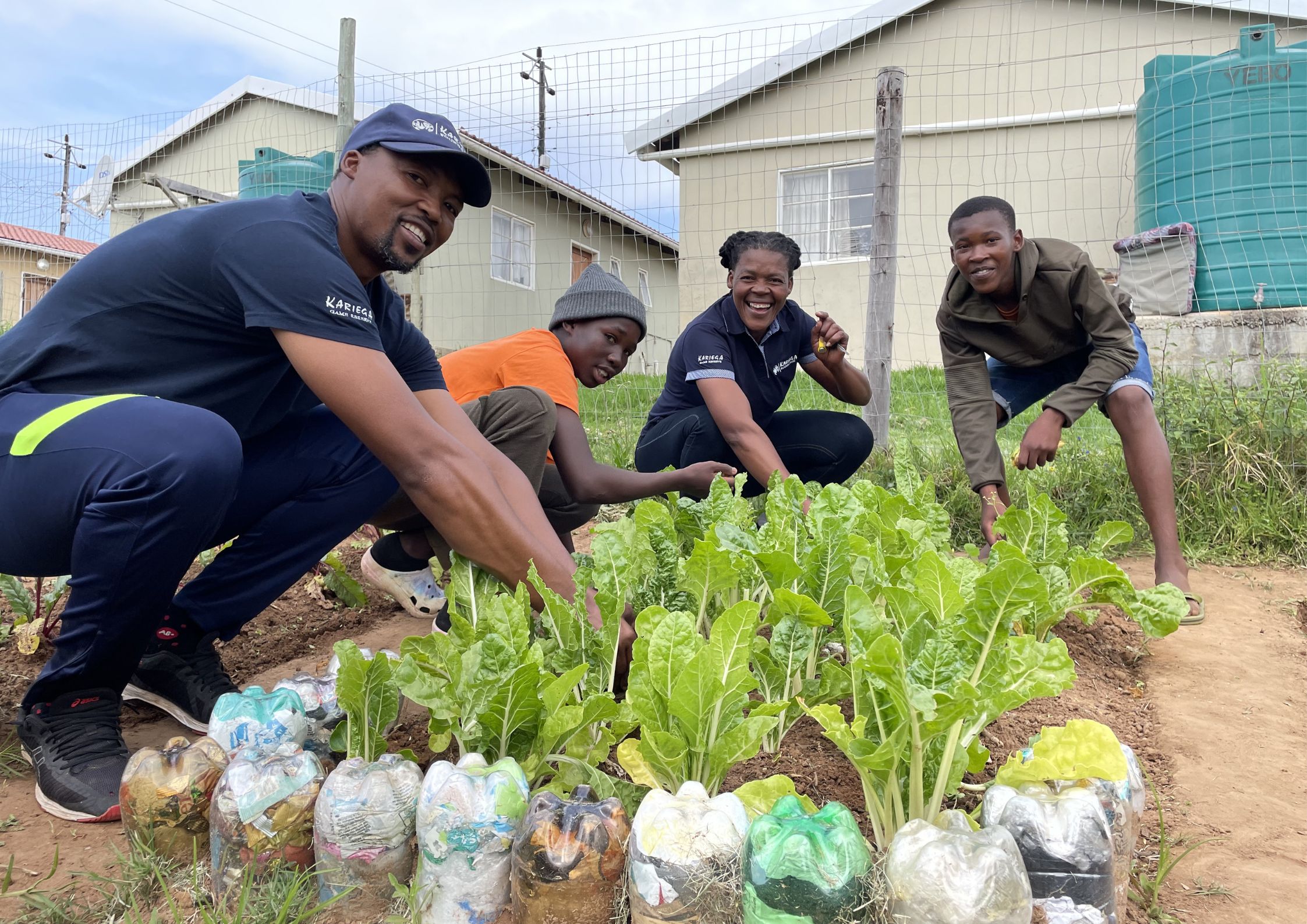
Through the Environmental Education and Community Engagement initiatives, 54 registered youth participated regularly in structured environmental activities, supported by 10 active community and school-based vegetable gardens across neighbouring communities. These gardens were complemented by 24 gardening sessions per month, helping participants build practical skills while supporting household nutrition. Throughout the year, the Foundation facilitated 3 community clean-ups and 5 beach clean-ups, engaging over 200 participants across key environmental calendar days, including World Water Day, World Environment Day, and World Coastal Cleanup Day. In addition, ranger-led engagement days and conservation-focused activities reached over 100 children and youth, strengthening understanding of conservation careers and environmental responsibility. Together, these community-based programmes reinforced the link between healthy ecosystems and resilient communities, ensuring conservation is lived, practiced, and owned at a local level.
Youth Development: Confidence, Belonging, Leadership
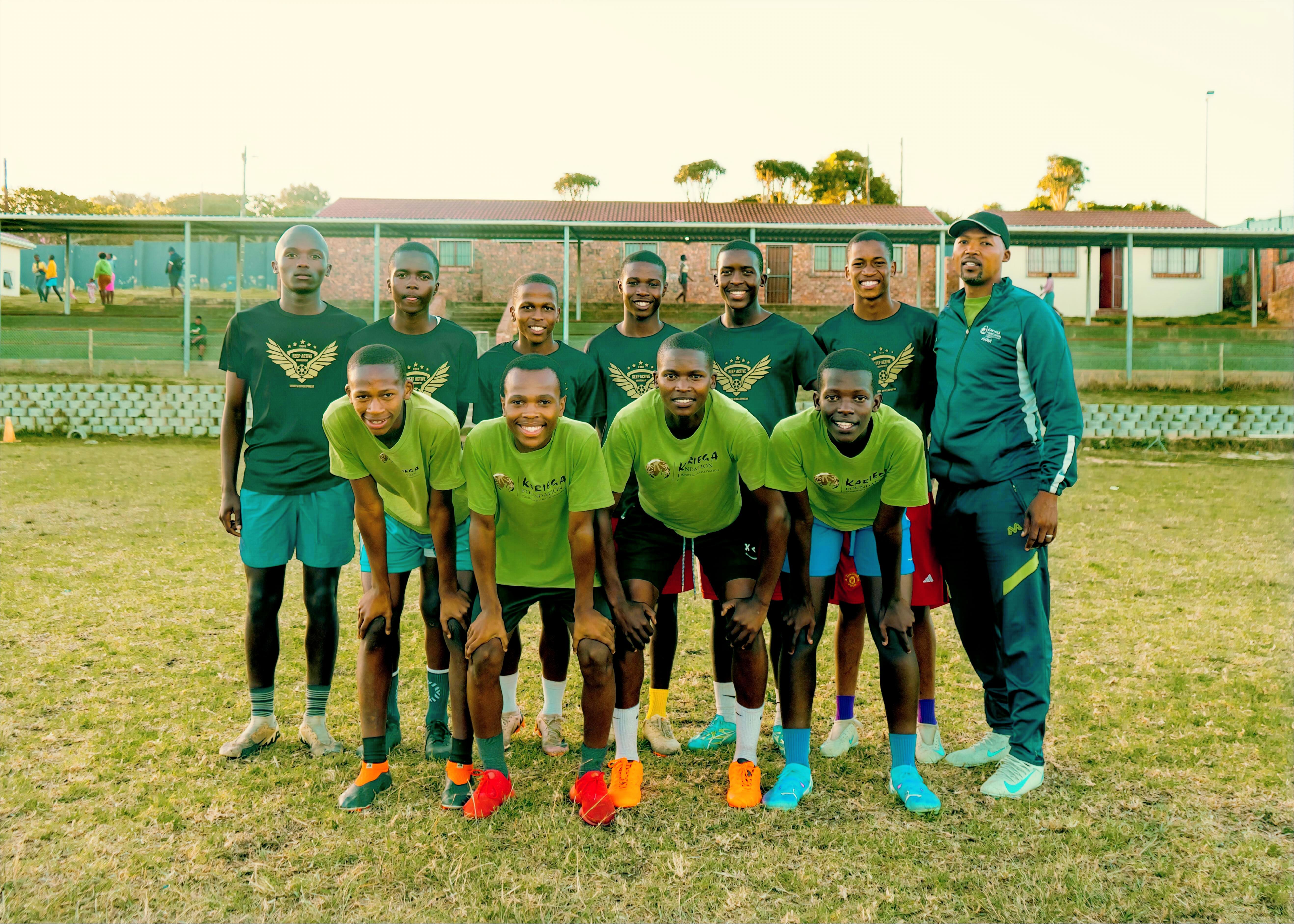
Sport remained a powerful driver of confidence, belonging, and leadership within the Youth Development Programme in 2025. Through structured after-school activities, the programme reached over 600 young people across Ekuphumleni, Marselle, Klipfontein, and Alexandria, with the Ubuntu Cup League engaging 616 registered players across soccer, netball, and tennis. This included 364 soccer players, 215 netball players, and 37 tennis players, supported by 25 coaches and an average of 252 training sessions per month. Across the year, youth participated in over 180 organised matches, creating consistent opportunities for skill development, teamwork, and positive competition.

For many participants, this was their first exposure to a structured sporting environment, complete with regular training, league fixtures, and access to basic playing equipment. The Foundation distributed 437 soccer playing kits, including sport shoes, shirts and training equipment, resulting in noticeably improved attendance, motivation, and performance across teams. The Ubuntu Cup League continued to expand as a recognised development platform, with official league matches successfully introduced in Alexandria and ongoing engagements with local soccer and netball associations to formalise league recognition.
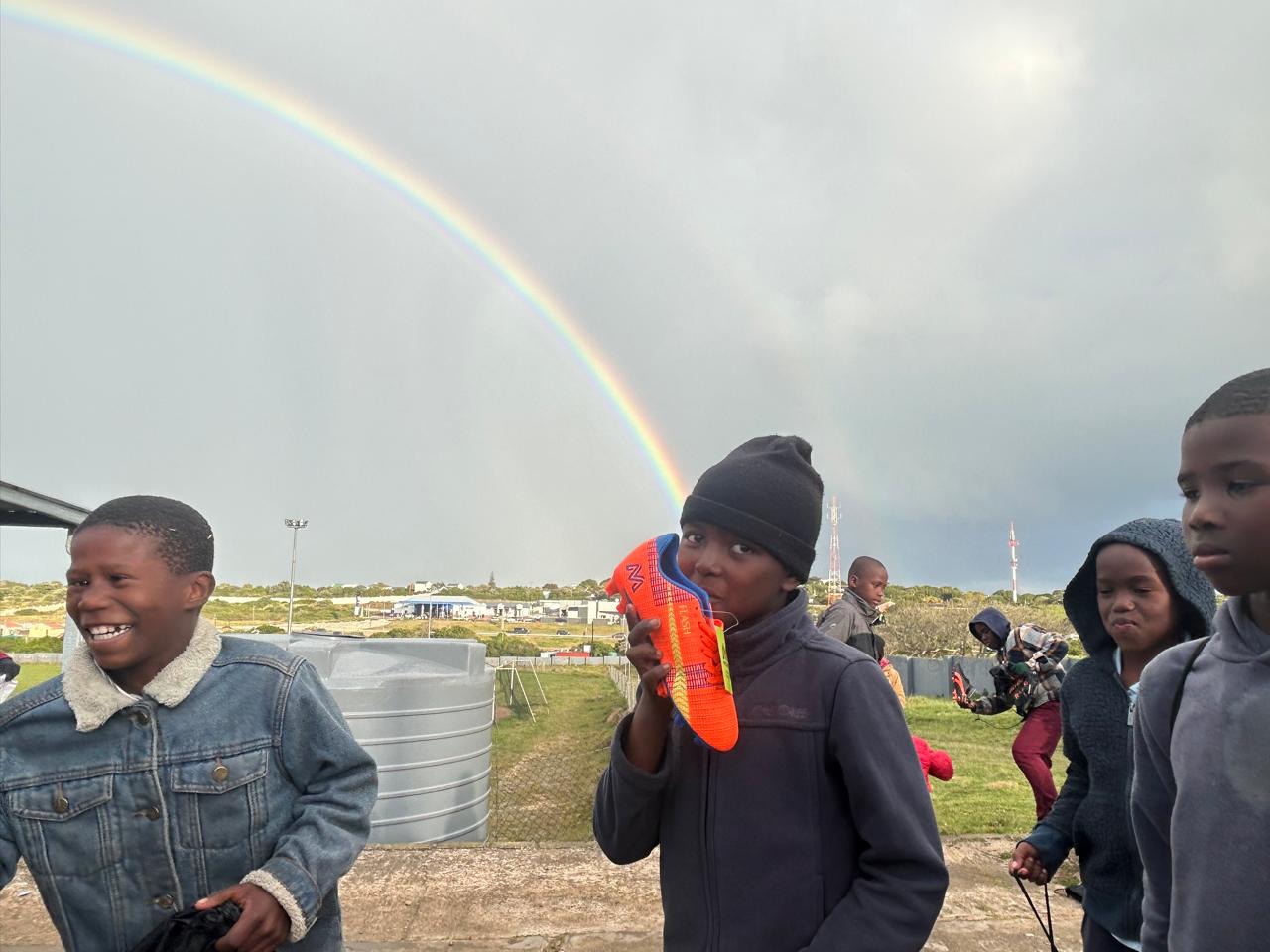
The impact of the programme extended well beyond community level. Eleven youth were selected to represent the their communities internationally in Denmark, while two netball players, a coach, and a team manager were chosen to represent the Sarah Baartman District at the 2025 National Games. These achievements reflect the programme’s ability to translate participation into progression, creating real pathways from grassroots sport to regional, national, and international opportunities. Together, these outcomes demonstrate how structured sport can nurture discipline, leadership, and aspiration, while strengthening community pride and cohesion.
Community Based Skills Development Programmes
Skills development initiatives in 2025 focused on practical training and long-term employability, supporting local capacity and economic resilience.
Field Rangers: Building a Conservation Workforce from Within
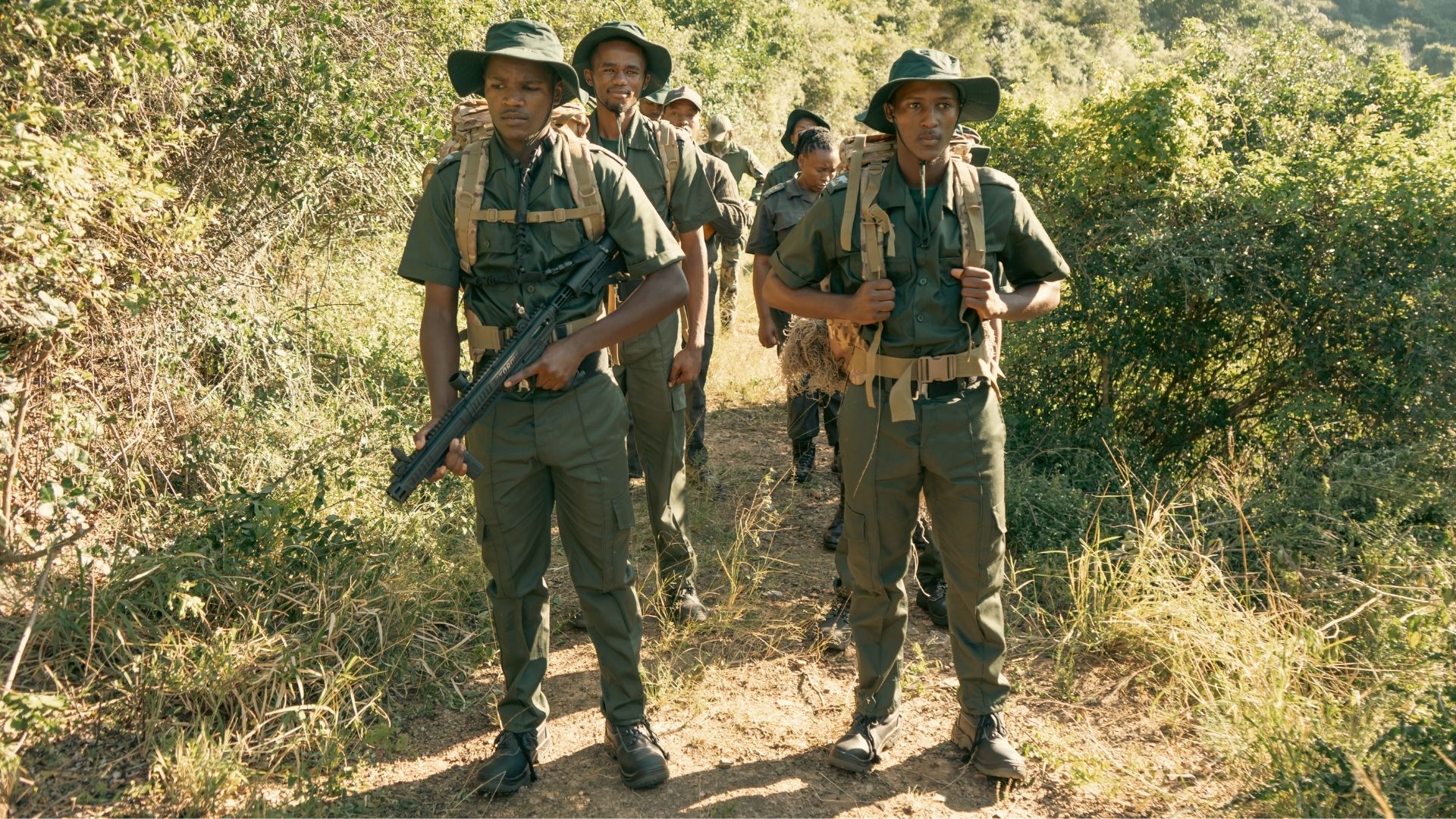
The Community-Based Field Ranger (CBFR) Programme continued to strengthen conservation capacity while creating tangible employment pathways for young people from neighbouring communities. In 2025, 10 cadets completed six weeks of accredited Eco-Ranger training, followed by a 12-month internship, achieving a 90% completion rate. This year marked a historic milestone, with cadets awarded an NQF Level 2 Eco-Ranger qualification. It was the first time that community, private, and public protected-area rangers in the Eastern Cape were trained and certified to a common standard. The programme delivered strong employment outcomes, with 8 of the 10 cadets (80%) securing employment across six different reserves in the province, while one cadet continues to complete their internship. Now in its fifth year, the CBFR programme has trained 50 cadets to date, with 47 successfully qualified, contributing to a growing, skilled conservation workforce rooted in local communities. Beyond technical skills, the programme fostered discipline, accountability, and leadership, ensuring conservation is protected by people who are deeply connected to the landscapes they serve.
Field Guides: Creating Pathways into Nature-Based Tourism
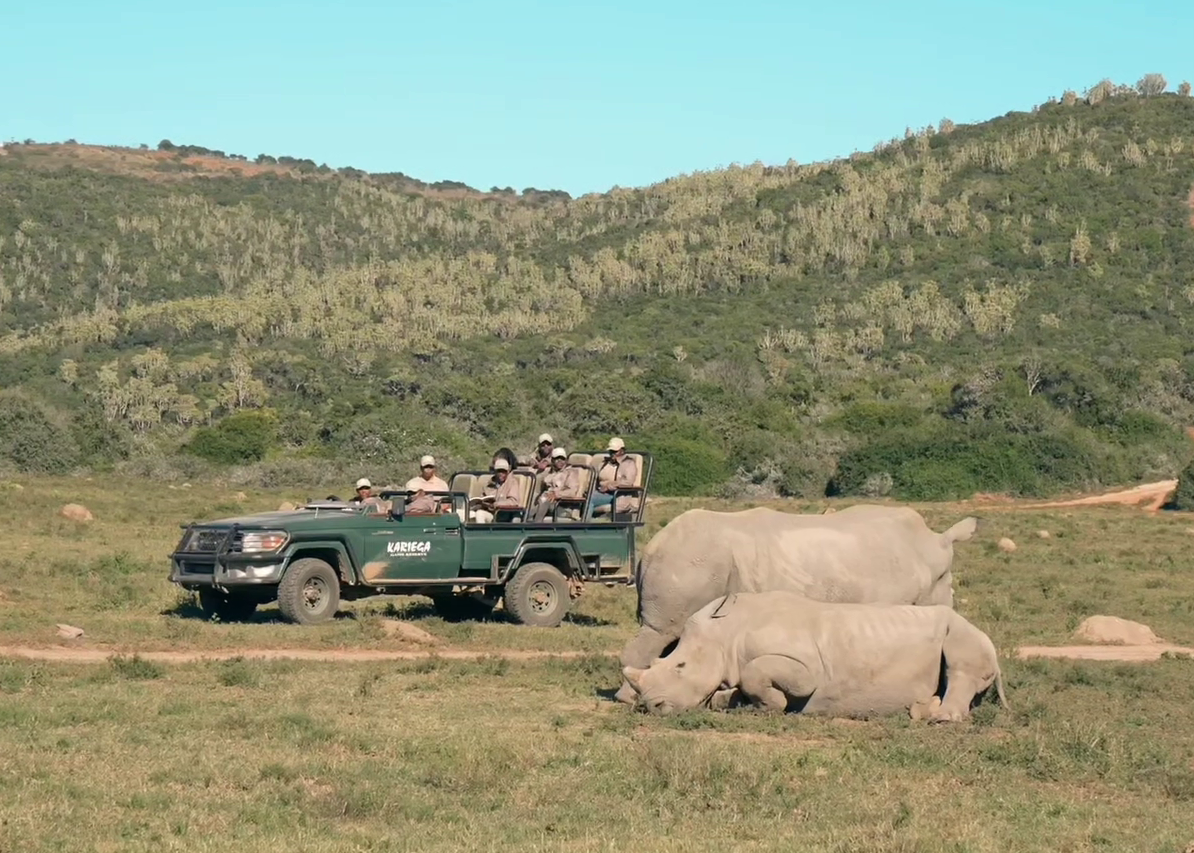
The Community-Based Field Guide (CBFG) Programme continued to open doors into the nature-based tourism sector in 2025. Eight guiding students are currently participating in the 11-month FGASA-accredited learnership, combining theoretical instruction, field-based training, and practical assessments. Since the programme’s inception, 22 students have enrolled, with 10 fully qualified FGASA Apprentice Field Guides, most now employed in permanent, fixed-term, or internship positions within the tourism and conservation sector. A significant highlight of 2025 was the programme’s first official graduation ceremony, held at the Kariega Conservation Centre, celebrating students who successfully attained their NQF Level 2 Apprentice Field Guide qualification. For many participants, the programme represented their first formal qualification and a decisive step toward stable employment. By investing in guiding skills, ecological knowledge, and professional confidence, the Field Guide Programme continues to build ambassadors for conservation, creating livelihoods that depend on protecting, rather than exploiting, natural heritage.
Alien Plant Control: Restoring Landscapes, Creating Livelihoods
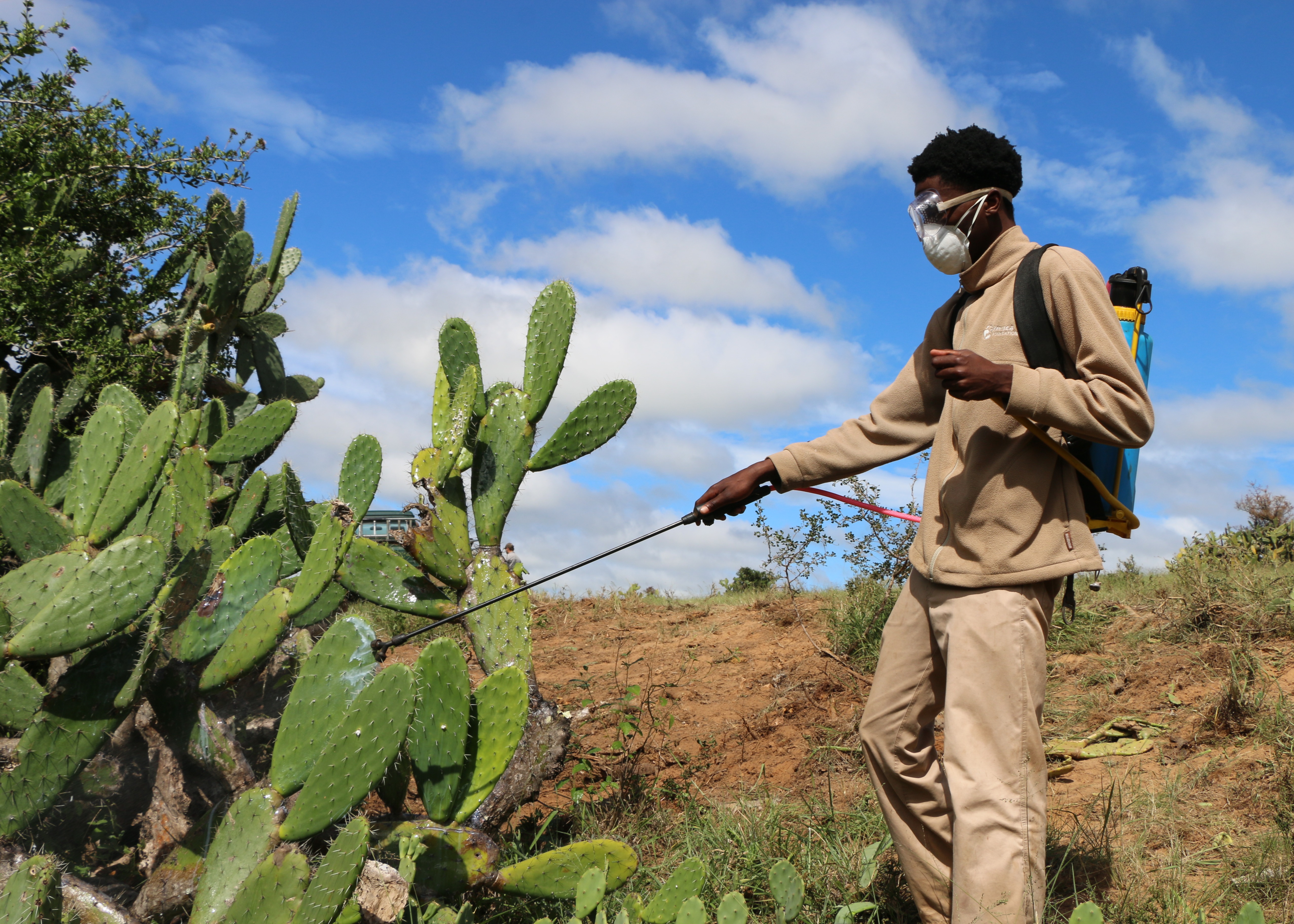
Alien plant control continued to deliver powerful dual outcomes, ecological restoration and community employment. The Alien Plant Control (APC) Programme employed 10 community members, including 4 permanent staff and 6 contracted team members, all trained in industrial chainsaw operation and fire-fighting techniques. During the year, the programme achieved a 53% increase in area cleared compared to 2024, enabling the restoration of previously inaccessible and heavily infested areas such as the Red Cliffs on Kariega Game Reserve. Investment in skills development saw one team member obtain his driver’s licence and another qualify as a field chainsaw and bush-cutting technician, strengthening operational independence and leadership within the team. Beyond hectares cleared, the APC programme continues to build pride, responsibility, and long-term conservation skills within neighbouring communities.
SACE-Accredited SEL Training: Strengthening Education from Within
A major milestone in 2025 was the expansion of SACE-accredited Social and Emotional Learning (SEL) training for educators. For the first time, 31 educators across three partner schools successfully registered for the 10-month SACE-accredited SEL course, delivered by trained mentors. This achievement marked a critical step in embedding SEL sustainably within classrooms, rather than relying solely on external facilitators. The programme not only strengthened educators’ professional development, but also ensured that social-emotional learning continues to benefit learners well beyond the life of individual projects.
Hospitality Training: Pathways into Employment
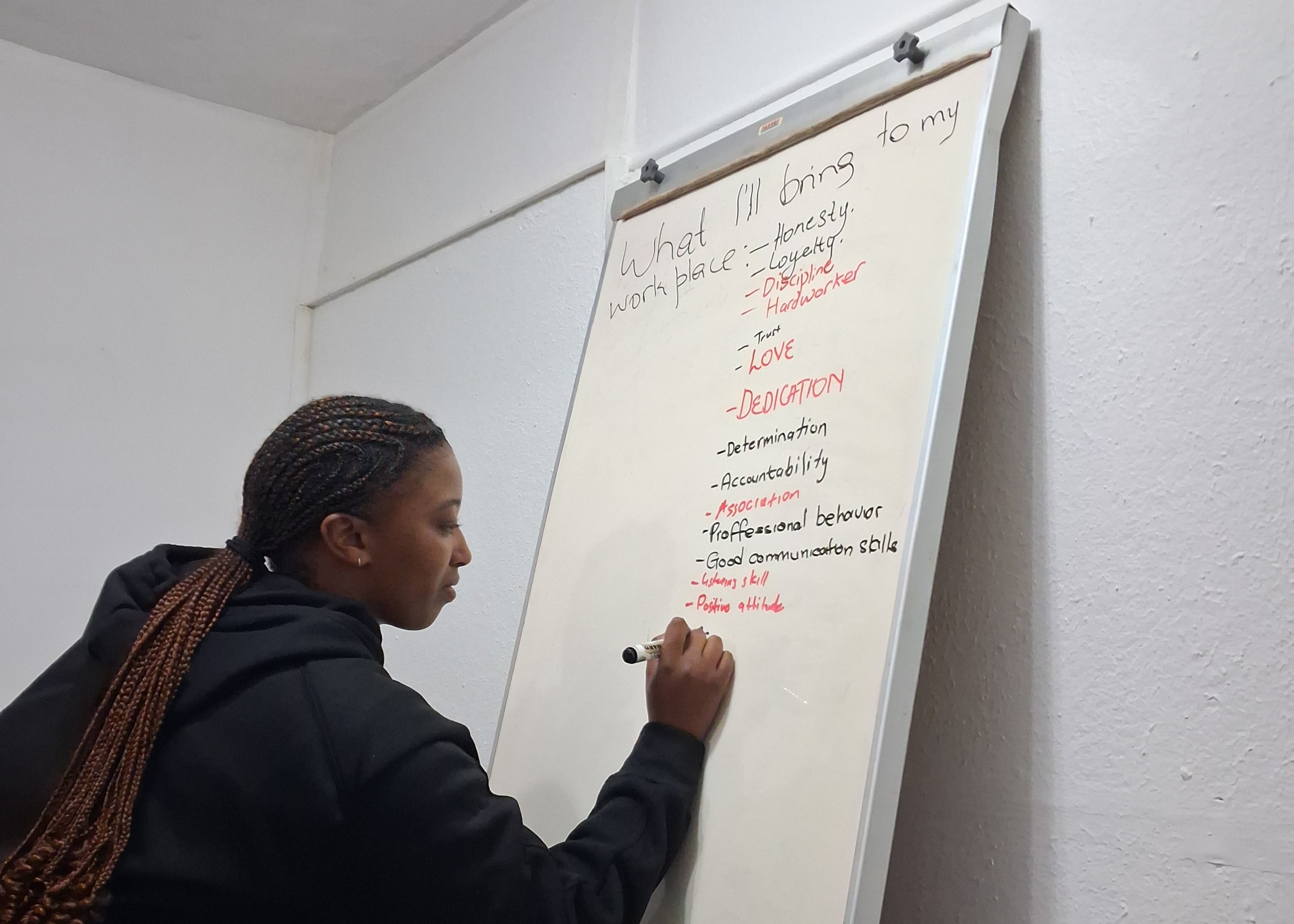
The Hospitality Training Programme focused on equipping young adults with practical, work-ready skills relevant both within Kariega Game Reserve and the broader hospitality sector. In 2025, 20 participants completed pre-training and entered a three-month internal hospitality training programme, with participants drawn largely from youth already engaged in Foundation programmes. Training restored confidence and hope for many young people, with several participants expressing renewed motivation to pursue formal employment. The programme continues to serve as a critical bridge between youth development initiatives and entry-level employment opportunities.
Adventure and Guiding Training: Growing Nature-Based Careers
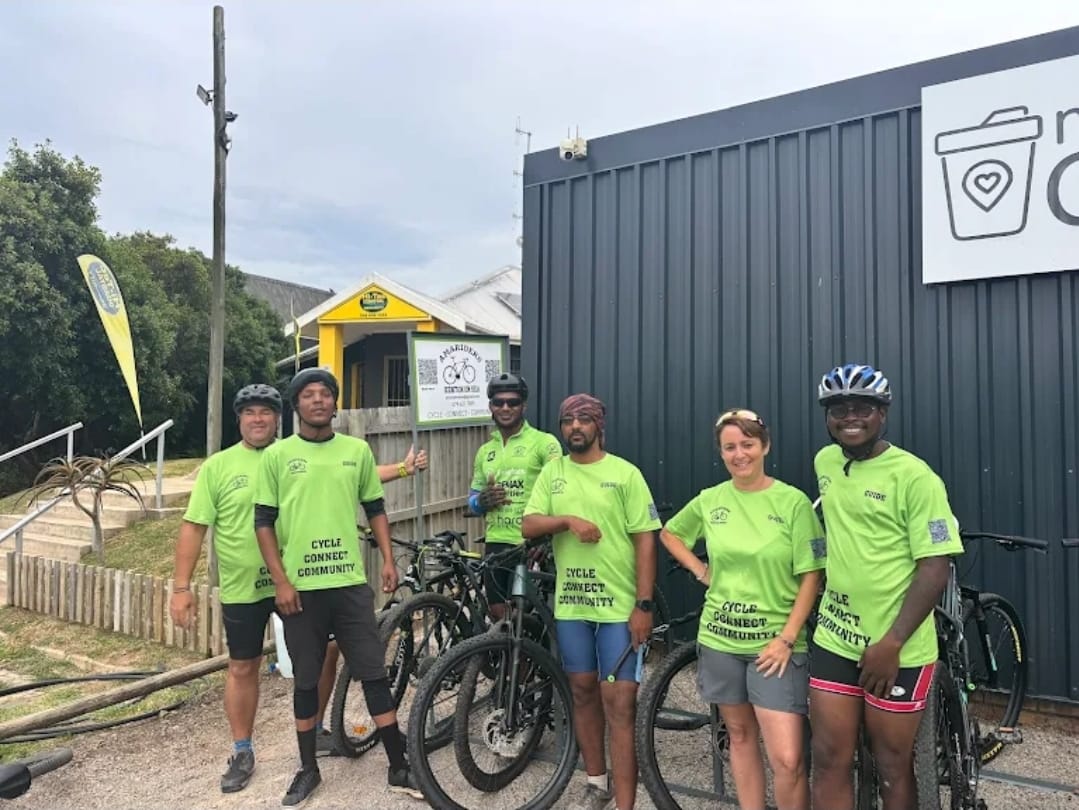
Nature-based tourism training expanded meaningfully in 2025. Through the Adventure Tourist Guide Training Programme, 6 participants completed 125 hours of accredited mountain adventure guide training, alongside 320 hours of practical experience, achieving a 100% completion rate. Four participants are currently logging additional practical hours through community MTB tourism initiatives.
Legacy Bursary: Investing in Long-Term Leadership
The Legacy Bursary Programme represents the Foundation’s long-term commitment to education and leadership development. In 2025, one postgraduate bursary recipient continued his Honours degree in Journalism at Rhodes University, while the previous bursary recipient secured employment as a teacher. The programme also supported a matric mentorship initiative reaching 20 learners, assisting with tertiary applications and bursary submissions. During the year, three matriculants from Foundation-supported programmes were accepted into university, reinforcing the impact of sustained, long-term educational investment.
Community Welfare
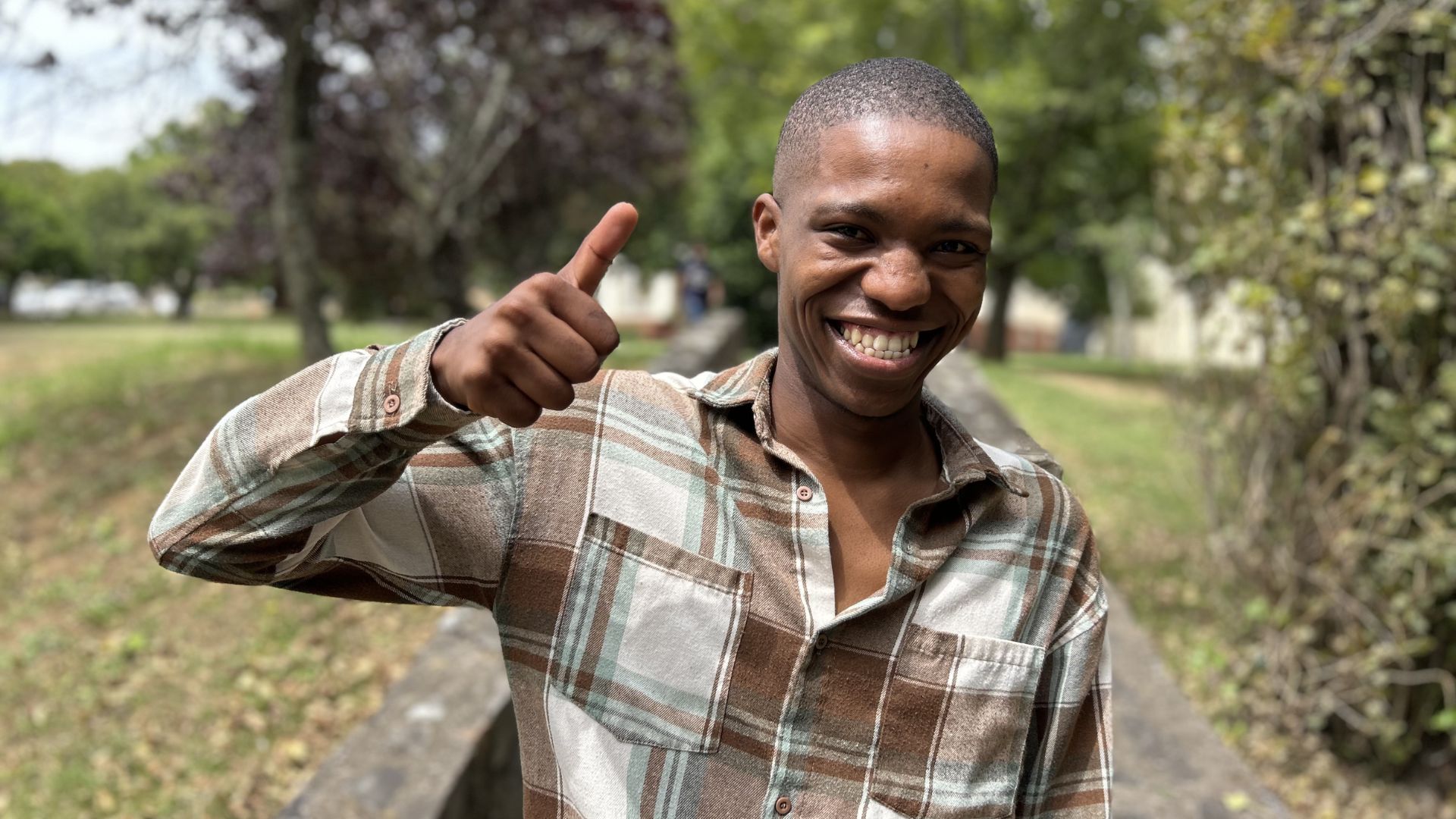
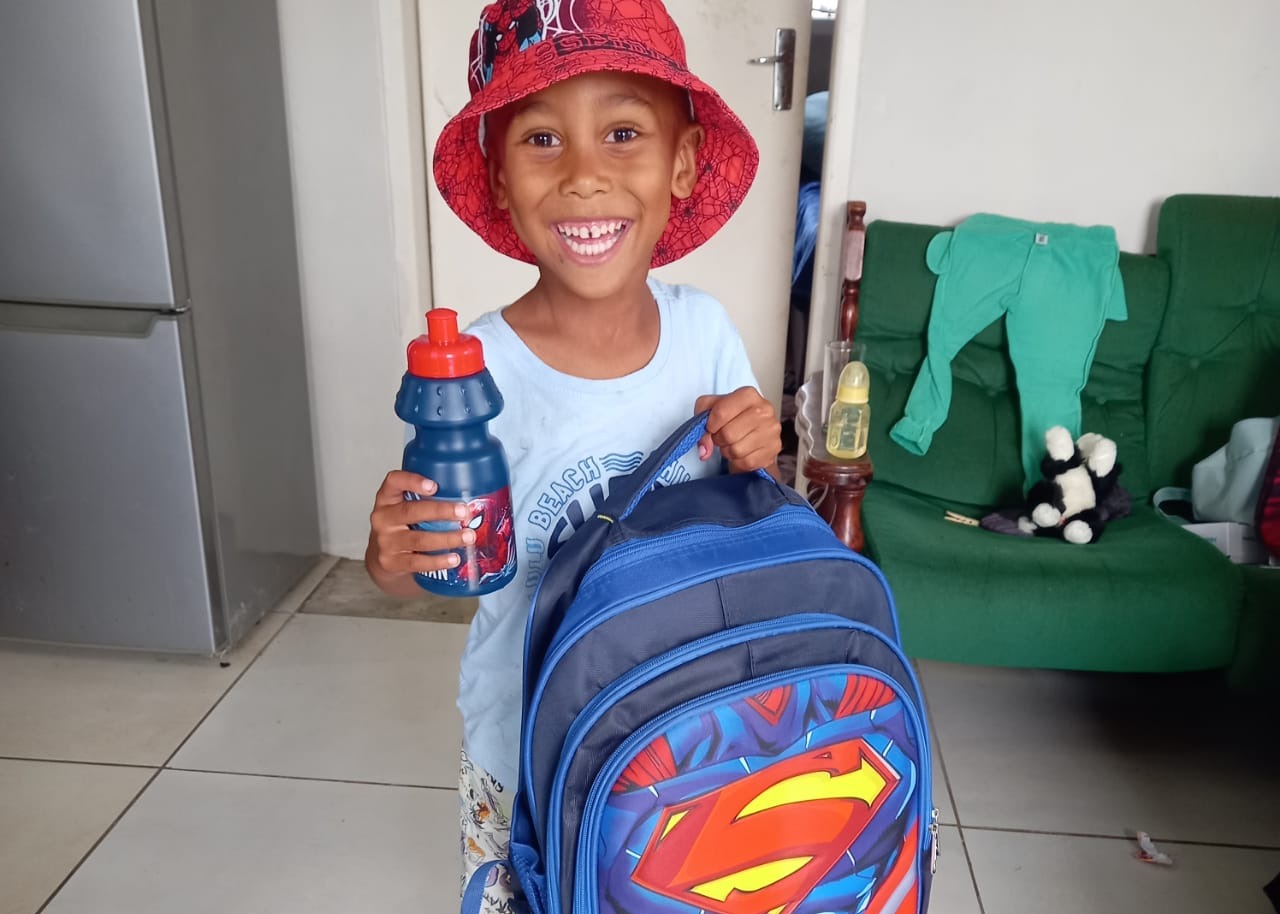
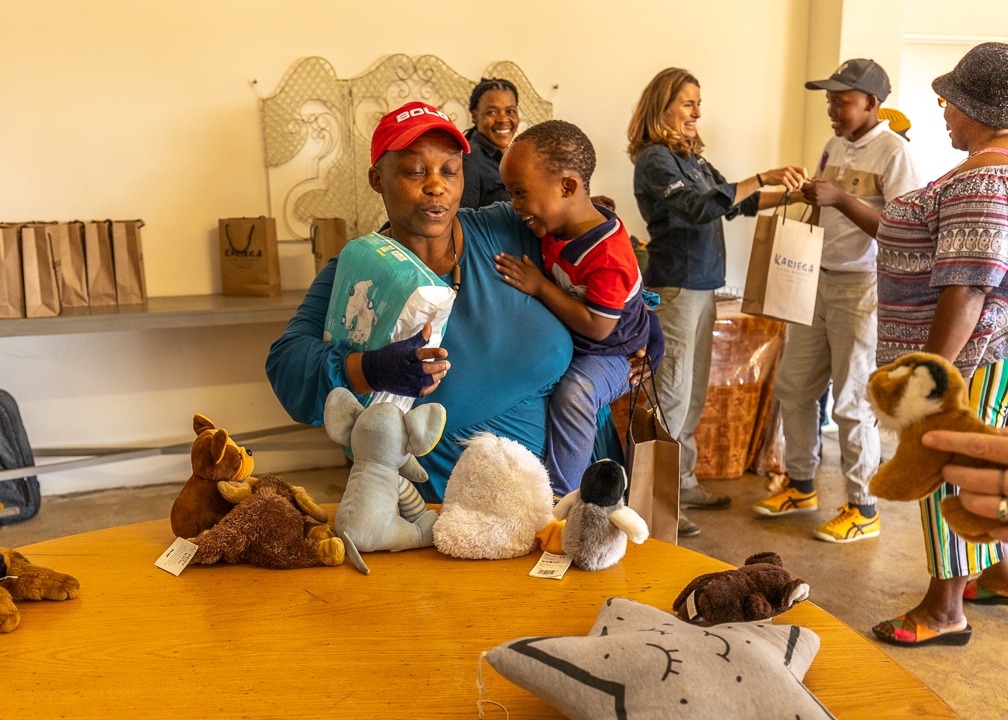
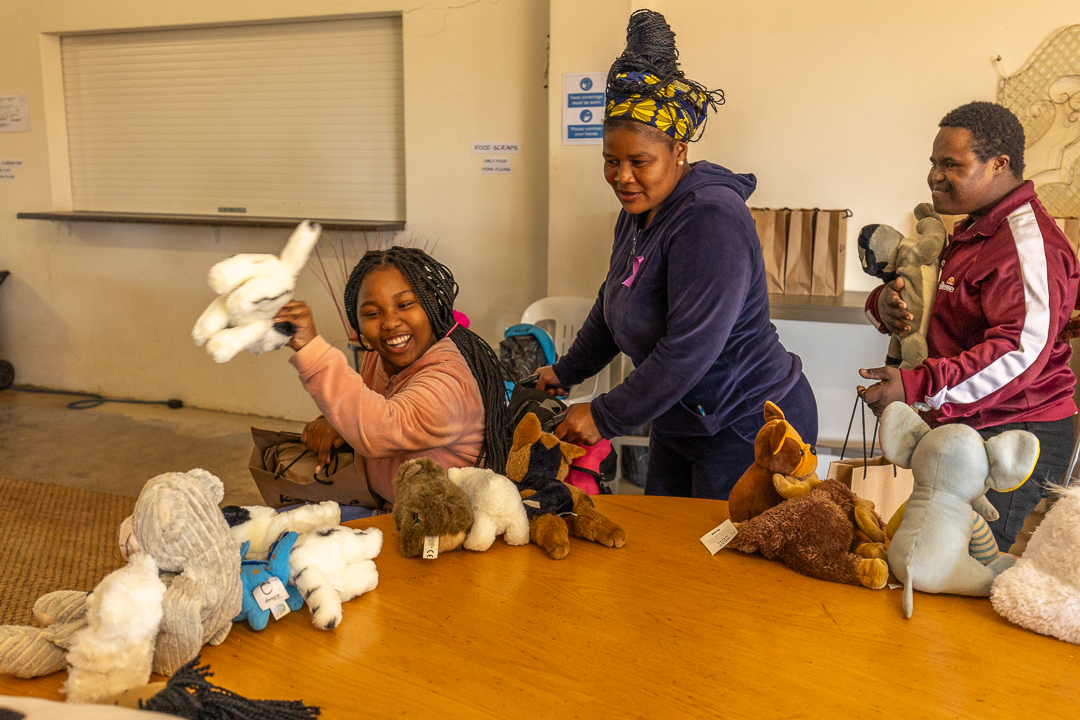
Throughout the year, welfare initiatives focused on meeting urgent needs while strengthening long-term resilience across neighbouring communities. Coordinated donation drives and targeted outreach reached between 3,500 and 4,000 beneficiaries in Ekuphumleni, Marselle, Klipfontein, Alexandria, and surrounding farm areas. Support was delivered through direct home visits and included the distribution of over 540 kg of donated goods, ranging from food parcels and baby supplies to school uniforms, stationery, bedding, and household items, ensuring assistance was dignified and responsive to real needs.
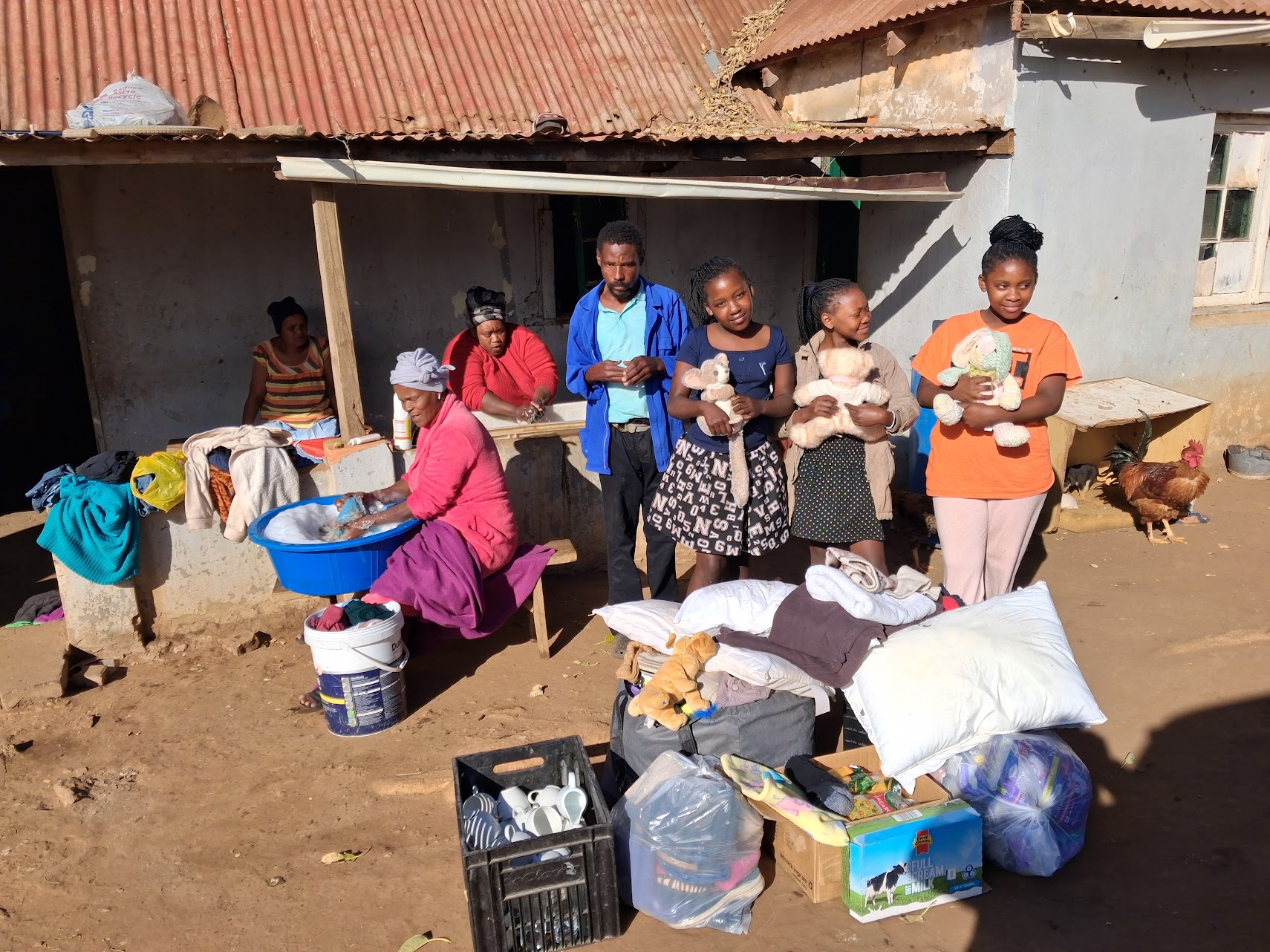
Food security remained a priority. Ongoing support to two community soup kitchens helped provide daily meals to more than 35 adults and children in Ekuphumleni, while additional clothing and household items strengthened donor-supported food initiatives in Marselle. Alongside this, 10 community and school-based vegetable gardens were established or maintained, supplying fresh produce that currently feeds 29 children daily at one school, with wider benefits extending to staff and families.
Inclusive education formed an essential part of the welfare programme. At Eluthandweni Special Needs School, learner enrolment increased from 9 to 13 children, reflecting growing trust within the community. Classroom renovations, educational resources, a new jungle gym, and ongoing staff training created a more supportive learning environment, enabling children with special needs to develop socially, emotionally, and academically.
Animal welfare initiatives continued to play a vital role in community wellbeing. Across four mass sterilisation campaigns, 156 animals were sterilised in just six days, supported by 10 veterinary outreach clinic days that treated over 155 animals. The revived Dog Kennel Project delivered 38 wooden kennels and supported the distribution of 70 rubber kennels, significantly improving shelter and living conditions for dogs across all four communities. Strong partnerships with veterinary clinics, volunteers, and animal welfare organisations enabled these interventions to reach those most in need.
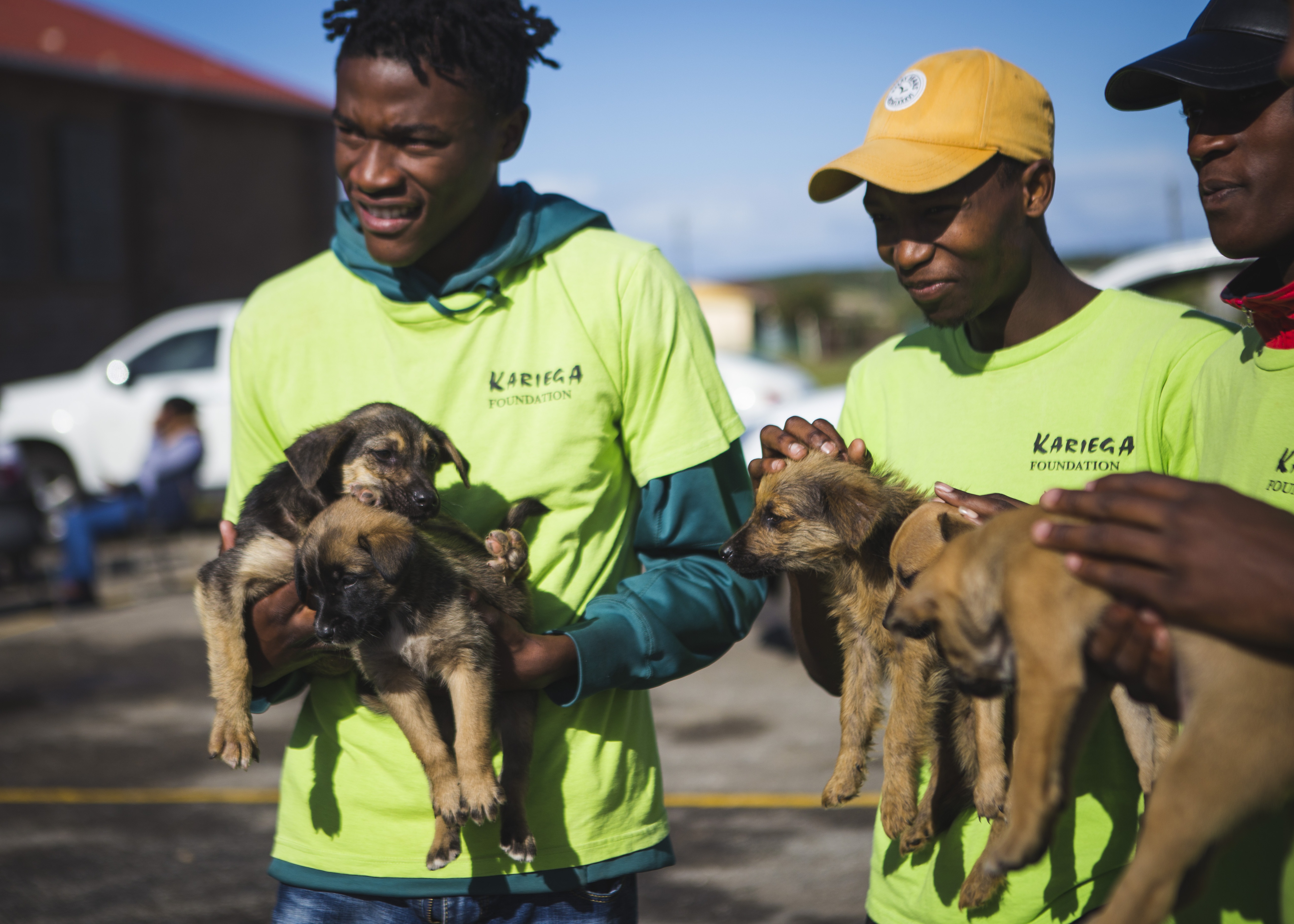
Together, these welfare programmes reflect a commitment to compassion, dignity, and care, reinforcing the understanding that community wellbeing and conservation success are deeply connected.
A Year of Quiet Strength
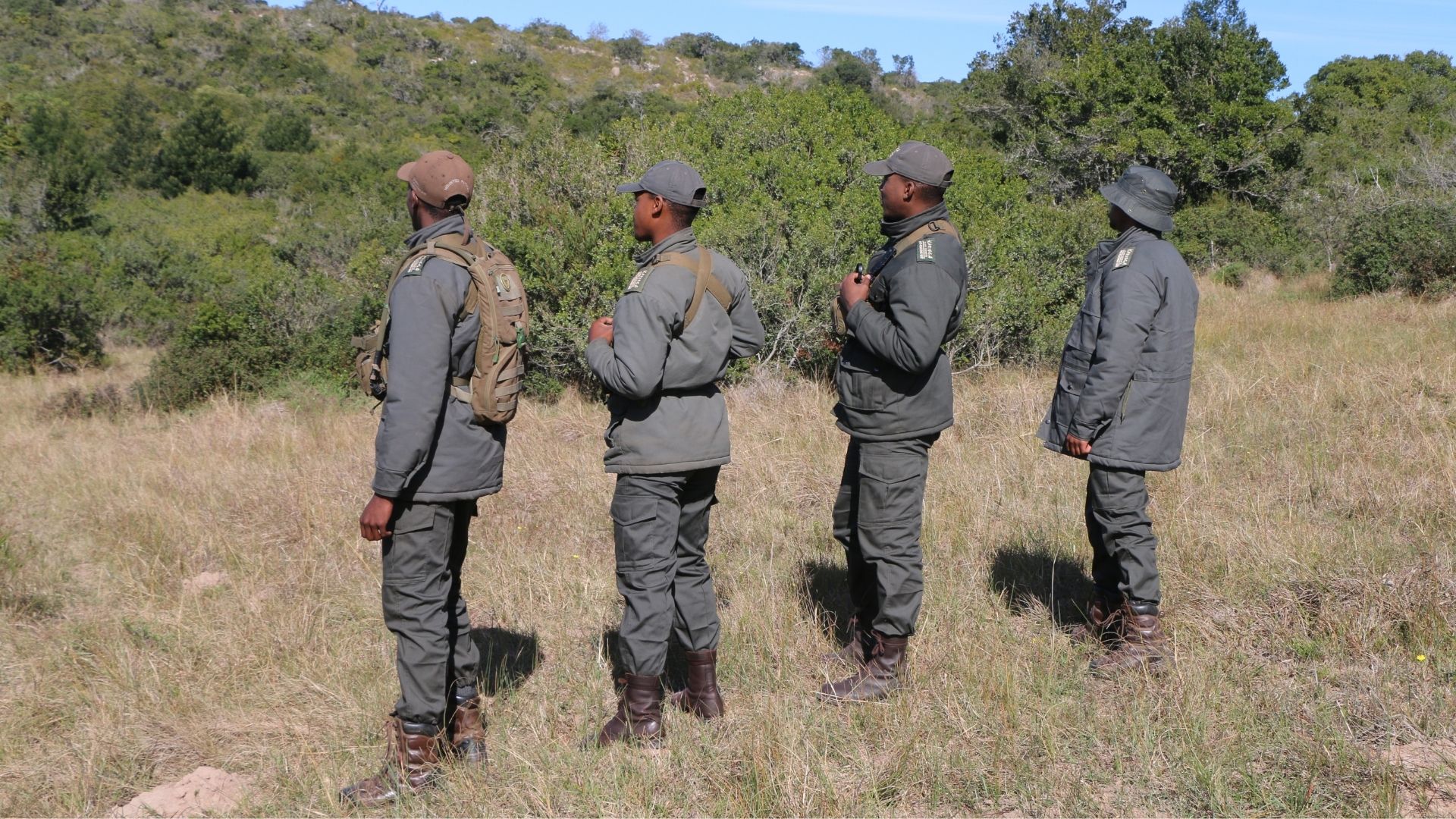
One of the most powerful indicators of success in 2025 was that no poaching incidents were recorded on Kariega Game Reserve. This outcome reflects consistent field presence, effective technology use, strong partnerships, and the dedication of teams working every day behind the scenes.
Looking Ahead
The story of 2025 is not one of single milestones, but of cumulative impact, hectares restored, children supported, skills learned, and trust built.
To every guest visiting Kariega Game Reserve, our staff, community partners, volunteers, donors, and supporters, thank you. Your belief in us and our philosophy of conservation through community continues to turn intention into action and ensures a future where people and wildlife thrive together.
 Call us
 Email us